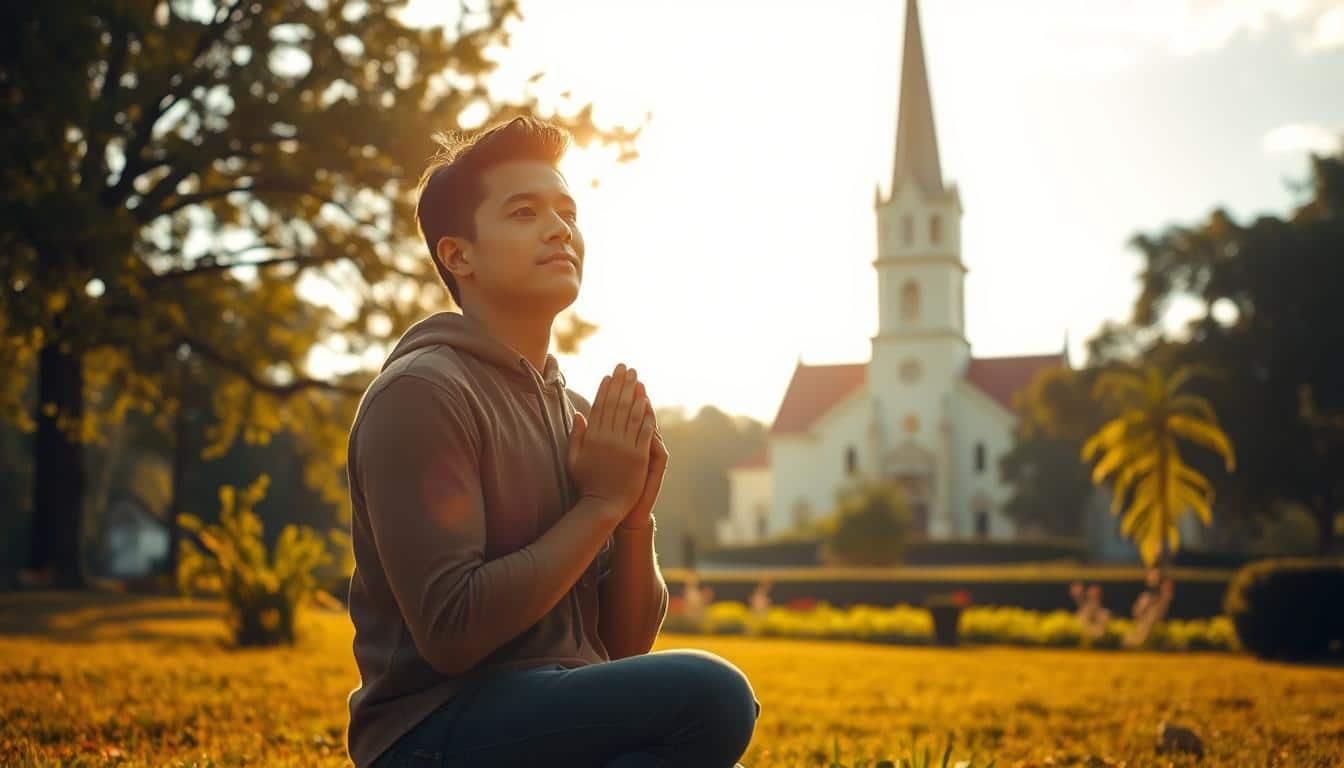
Spiritual Mindfulness Practices for Well-Being
Announcements
Let’s talk about how the spiritual mindfulness help in the well-being. It shows that deliberate attention can change lives. It originated in Buddhist traditions and is now popular worldwide. It helps reduce stress and improve people’s lives.
Exploring the spirituality is to seek a deeper meaning in life. It doesn’t depend on religion. Practicing mindfulness Calms the mind. It also strengthens our Spiritual connection. It leads to a fuller, happier life.
Introduction to Mindfulness and Spirituality
The technique of mindfulness It is becoming increasingly essential in people’s daily lives. It emphasizes the importance of being focused on the here and now. It helps to have a greater clarity about our experiences.
Announcements
THE mindfulness It goes beyond a simple meditation. It’s a lifestyle that greatly improves our mental health.
Now, speaking of spirituality, It ‘s crucial to our journey towards a greater meaning. Many look to philosophies for a better understanding of the world and themselves. Mindfulness and the spirituality, Although different, they complement each other in a unique way.
When we practice mindfulness with spiritual intent, it enables us to see things in a broader perspective. It deepens our inner peace and our connection to the universe. This mixture brings relaxation and harmony that can change lives.
Developing this practice is essential for those seeking to align well-being emotional with their spiritual aspirations. It’s a powerful tool for personal transformation.

What is mindfulness?
Mindfulness, or full attention, It’s a way of being in the moment. It involves observing what happens, not judging. It allows us to notice our thoughts and feelings and emotions. This practice is considered by many to be effective in improving the well-being and mental health.
The definition of mindfulness
THE full attention It means focusing on the now. This can be done by paying attention to sounds, sensations and feelings. It helps get you off autopilot, promoting a deeper awareness of the present.
Origins of mindfulness and its applications
Mindfulness has roots in Eastern traditions, especially Buddhism. Over the years, it’s been adapted by the West. Today, it’s used in stress therapy and wellness programs at businesses and schools.
Mental health benefits of mindfulness
Practicing mindfulness brings many gains to the mind. It reduces stress, decreases anxiety and improves focus. Practitioners often see improvements in social relations and the quality of life itself.
Spirituality and Its Dimensions
Spirituality includes various experiences and beliefs related to the search for meaning in life and something broader. Each person can experience and understand spirituality in a unique way. That depends on your concept and their experiences.
Concept of Spirituality
Spirituality is the personal search for purpose and a deeper connection with oneself and the universe. This search may involve practices of self-knowledge and reflection. Also moments of silence and meditation. The good news is that spirituality isn’t bound by religious rules, allowing various practices and beliefs together.
Difference Between Religion and Spirituality
Religion is more about beliefs and practices that a group shares. Spirituality is more of a personal experience. Many people find spirituality a way to connect with the divine without following any particular religion. This shows that there are many ways to explore this path.
The Impact of Spirituality on Well-Being
Various studies show that spirituality can improve emotional well-being. Feeling connected to something greater brings peace and purpose. It helps to cope with life’s problems. Social support, getting to know yourself better and thinking about life can make your mind healthier.
The Intersection of Mindfulness and Spirituality
When mindfulness and spirituality meet, something special happens. This union enriches each person’s life journey. Mindfulness teaches us to be present and aware, something very valuable in spirituality. Putting the two together, we walk towards deep spiritual experiences and discoveries.
How Mindfulness Complements Spirituality
Mindfulness makes the mind more open and ready to receive. It helps practitioners to connect more strongly with their spiritual beliefs and experiences. This connection happens through increased awareness of thoughts and emotions feelings and emotions, A deepening in introspection and the creation of space for reflection.
Studies showing the positive correlation
There are studies showing how mindfulness benefits spirituality. People who practice mindfulness often feel more purpose and meaning in life. They also have less spiritual stress and anxiety and improve their emotional and psychological well-being.
Spiritual Mindfulness Practices for Well-Being
Mindfulness and spiritual development bring technical special to enhance our well-being. By learning to meditate, focus on the breath and applying these methods every day, we achieve calmness and self-awareness. That’s good for our mental health and emotional.
Techniques of mindfulness meditation
The technical of meditation Mindfulness teaches us to live in the present. They include meditating by focusing on the breath, awareness of one’s body and mindful eating. Focusing on the breath helps to calm your mind, reducing stress and anxiety.
Mindful breathing exercises
Mindful breathing is key to practicing mindfulness on a daily basis. Deep, slow breathing increases our mental clarity and relaxes us. Doing this for a few minutes, paying attention to the air coming in and going out, calms us down during stressful times.
Mindfulness in everyday activities
Bringing mindfulness into our daily lives helps keep the head in place. This can be as simple as washing dishes or walking with attention. It makes us understand things better and brings inner peace, improving our lives.
Benefits of Practicing Spiritual Mindfulness
The practice of spiritual mindfulness It brings tremendous benefits to those who practice it. It promotes, in particular: inner peace. Through meditation and mindful focus, it is possible to achieve profound serenity. That helps a lot in the daily.
The result? A larger one emotional balance. So when faced with stressful moments, reactions are calmer and more focused.
Peace of Mind and Emotional Balance
Many seek mindfulness for the inner peace it provides. This practice calms the mind and brings emotional balance. These are the main points:
- Increased emotional resilience.
- Clear and focused cognition.
- Reduced negative reactivity to stressful events.
Reduction of stress and anxiety
THE spiritual mindfulness It also helps a lot to reduce stress and anxiety. Those who practice regularly cope better with worries. Every day is lighter and more joyful. Here are a few Benefits noteworthy:
- Less feeling of emotional overload.
- Increased self-efficacy, confidence in meeting challenges.
- Improves the quality of sleep.
Developing Spiritual Connection through Mindfulness
The practice of mindfulness helps in the search for a greater Spiritual connection. It allows us moments of peace. It also helps us to reflection and in self-knowledge, Key to Spiritual Growth.
The Importance of Inner Silence
THE Silence within It’s essential to connect us spiritually. In a world full of noise, calm is a treasure. It allows us to hear our thoughts and feelings. This helps us to reflect on life and its meaning.
How Self-Observation Helps in Intimate Reform
With mindfulness, we learn to observe ourselves better. He’s exhibiting behaviors that previously went unnoticed. Through it, we have been able to make important changes for our inner peace. Thus, we move toward a more balanced and harmonious life.
Mindfulness and Self-Knowledge
The practice of mindfulness helps a lot in self-knowledge. Reflecting on our feelings and emotions and actions, we begin to understand each other better. It improves not only the way we see ourselves but also how we interact with others.
Reflection on emotions and patterns of behaviour
By thinking about how we feel, we can see how our emotions affect what we do. By observing how we react to different situations, we identify patterns. This helps us to understand our feelings more clearly and to know ourselves better.
Practices to stimulate self-care
There are several mindfulness practices that can aid in self-discovery. They include:
- Journaling: putting our experiences on paper reveals hidden feelings and thoughts.
- Guided meditation: Focusing on specific emotions helps us understand them better.
- Gratitude exercises: remembering what’s important to us clarifies our priorities.
Spiritual Mindfulness in Daily Practice
Integrating Mindfulness routine isn’t as hard as it sounds. There are a number of Tips and tricks that help in this process. Each attempt is a step toward a more balanced day-to-day.
Tips for integrating mindfulness into everyday life
For starters, it’s essential to choose times of the day to practice mindfulness. This can be done by:
- Take a break from work to breathe deeply.
- Reflect while having breakfast.
- Being aware of your surroundings during a walk.
These actions help to create a moment of full attention. They’re key for anyone who wants to be more conscious.
How to create a space for practice
A quiet environment is also very important. To prepare this space, you can:
- Choose a quiet corner at home.
- Use cushions or chairs that are comfortable.
- Decorate with items that convey tranquillity, such as plants or candles.
Doing so makes it easier to practice mindfulness every day. Thus, spirituality becomes a natural part of the routine.
Studies and Research on Spiritual Mindfulness
Many research They show the good effects of mindfulness on mental health. These studies indicate how mindfulness can help with well-being. They show their effectiveness in various places.
Research results in the field of mental health
Studies on mindfulness show improvements in mental health. Tests show a drop in stress, anxiety and depression. Practitioners report peace and increased emotional strength.
Success stories and testimonies
Many success stories show the value of mindfulness. People in welfare programs see big changes. They say that regular practice transforms the view of challenges, bringing balance.
Conclusion
Practicing spiritual mindfulness helps to find emotional balance and Spiritual connection. Technical aspects Mindfulness practices change the way we look at life. This leads to a self-knowledge greater and inner peace.
Spiritual mindfulness reduces stress and anxiety. It also makes you think about life in a deeper way. In this way, meditation and everyday life blend together making each breath a chance to grow.
THE Conclusion is that spiritual mindfulness makes life richer and more balanced. By following these practices, we improve our well-being. We also have a better understanding of spirituality and our place in the world.
FAQ
What is mindfulness?
Mindfulness is practicing total attention to the present moment. It’s observing thoughts, feelings and sensations without judgment.
How is spirituality defined?
Spirituality is the search for a greater meaning in life. It involves connecting with the divine without relying on religion.
What are the benefits of mindfulness for mental health?
Mindfulness helps reduce stress and anxiety. It also brings more emotional balance and a deep inner peace.
How can mindfulness help with spirituality?
By practicing mindfulness, we cultivate more presence and awareness. It opens us up to deeper spiritual experiences and insights.
What techniques of mindfulness meditation are recommended?
Meditation focused on breathing, body scanning and meditation while eating are recommended. These techniques increase attention and relaxation.
What is inner silence and how does it relate to mindfulness?
THE Silence within It helps us connect spiritually. Mindfulness facilitates this state, promoting stillness and self-discovery.
How can I integrate mindfulness into my daily life?
You can practice mindfulness at daily breaks. For example, during breakfast or on walks. It helps you stay focused.
Are there studies that prove the effectiveness of spiritual mindfulness?
Yes, many studies show that mindfulness improves emotional and spiritual well-being. Regular practice brings Benefits for mental health.
How does self-observation contribute to inner reform?
Self-observation, fostered by mindfulness, makes us reflect on emotions and behaviors. This leads to greater self-knowledge and personal growth.